 TR
TR EN
EN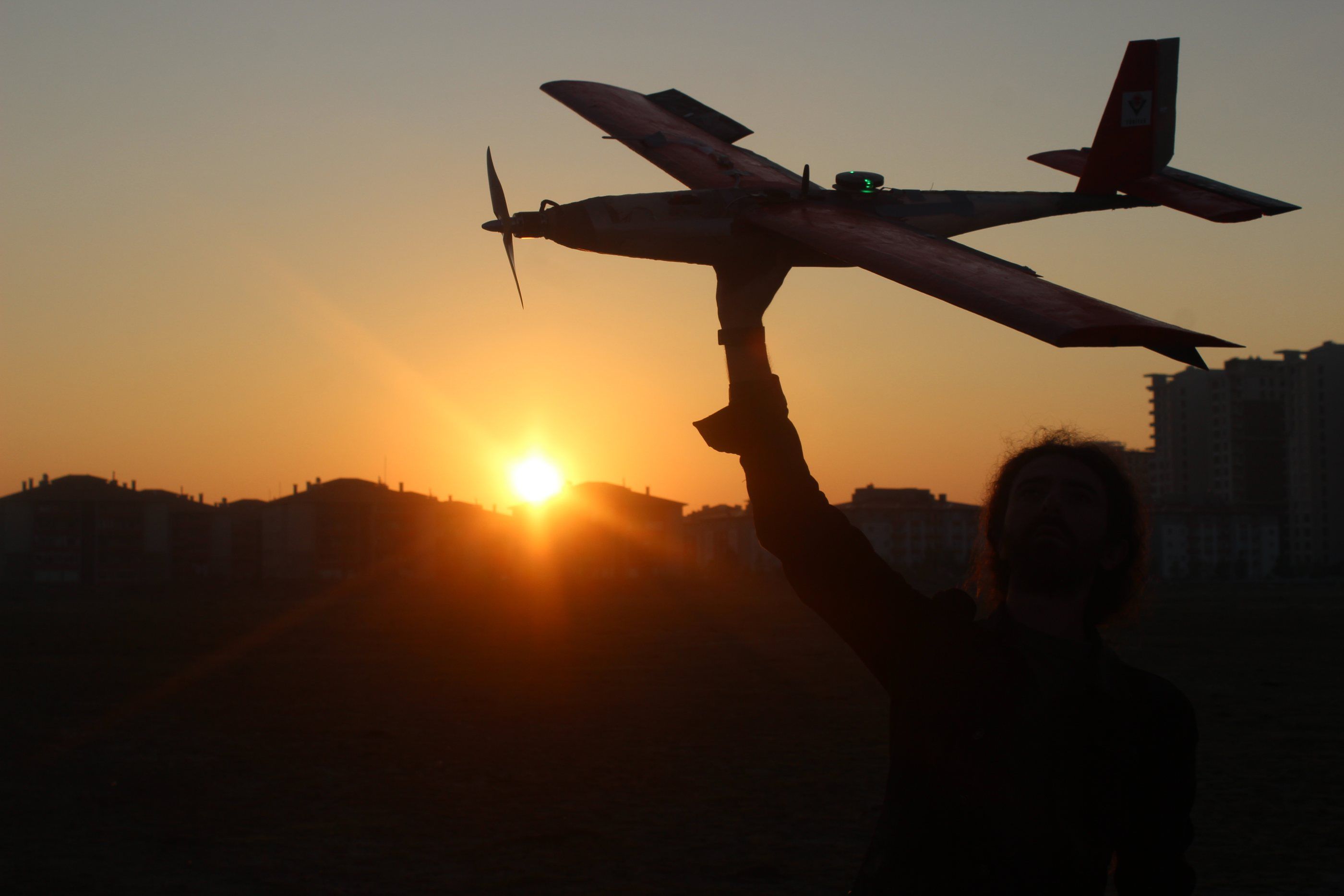
DR. EMRE ÖZBEK · ESKİŞEHİR TECHNICAL UNIVERSITY
I design, build and fly small unmanned aircraft.
UAV design · Hydrogen fuel cell propulsion · Morphing wings
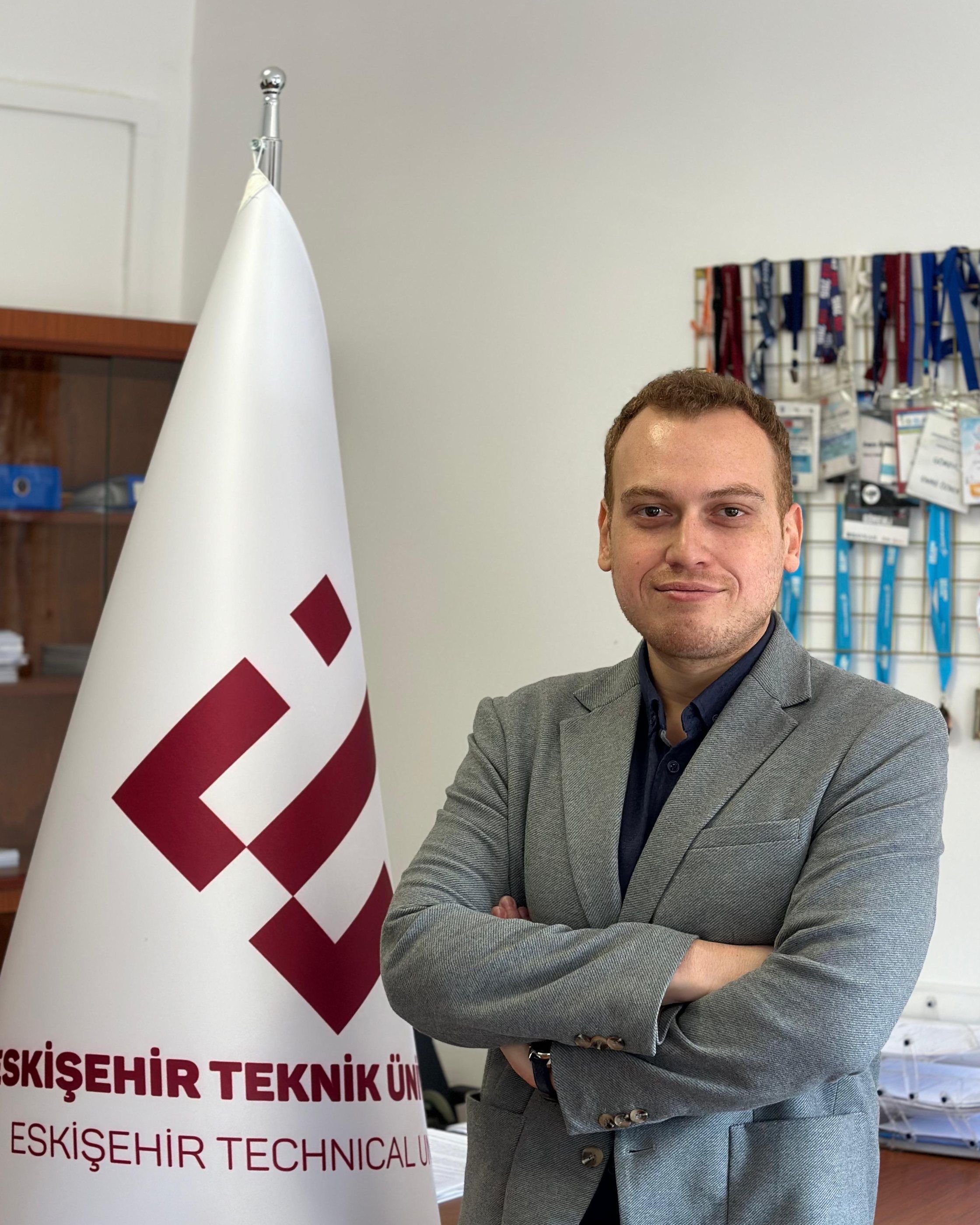
Assistant Professor · Vice Dean · ESTU
I’m an Assistant Professor in the Flight Training Department at Eskişehir Technical University (ESTU) and Vice Dean of its Faculty of Aeronautics and Astronautics. I design and build small unmanned aircraft, and most of my research grows out of that work: hydrogen fuel cell hybrid propulsion, morphing wings, and low-cost UAVs that can be fielded quickly. Two of these ideas are now registered inventions in Türkiye, and one is under examination in the United States.
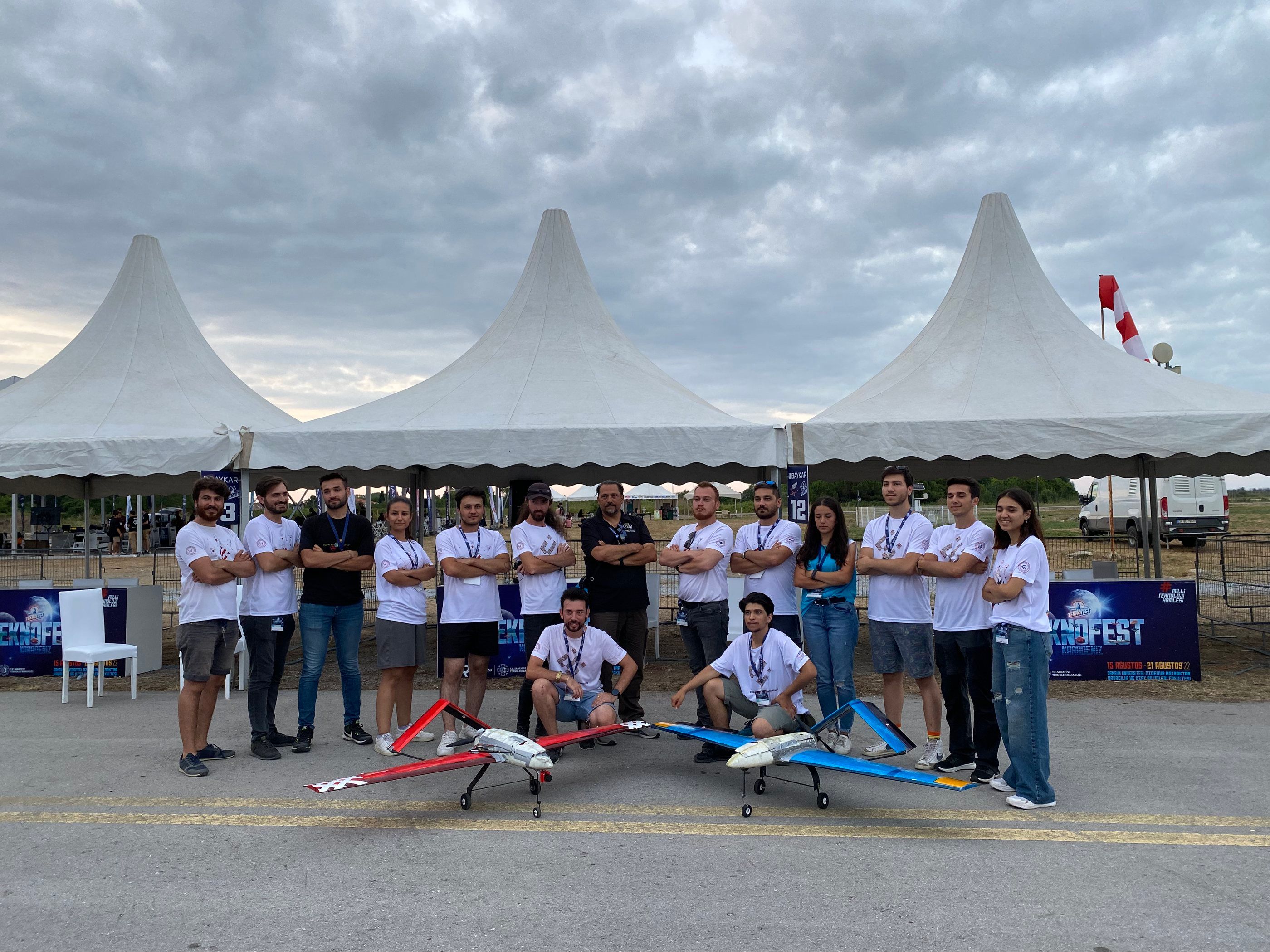
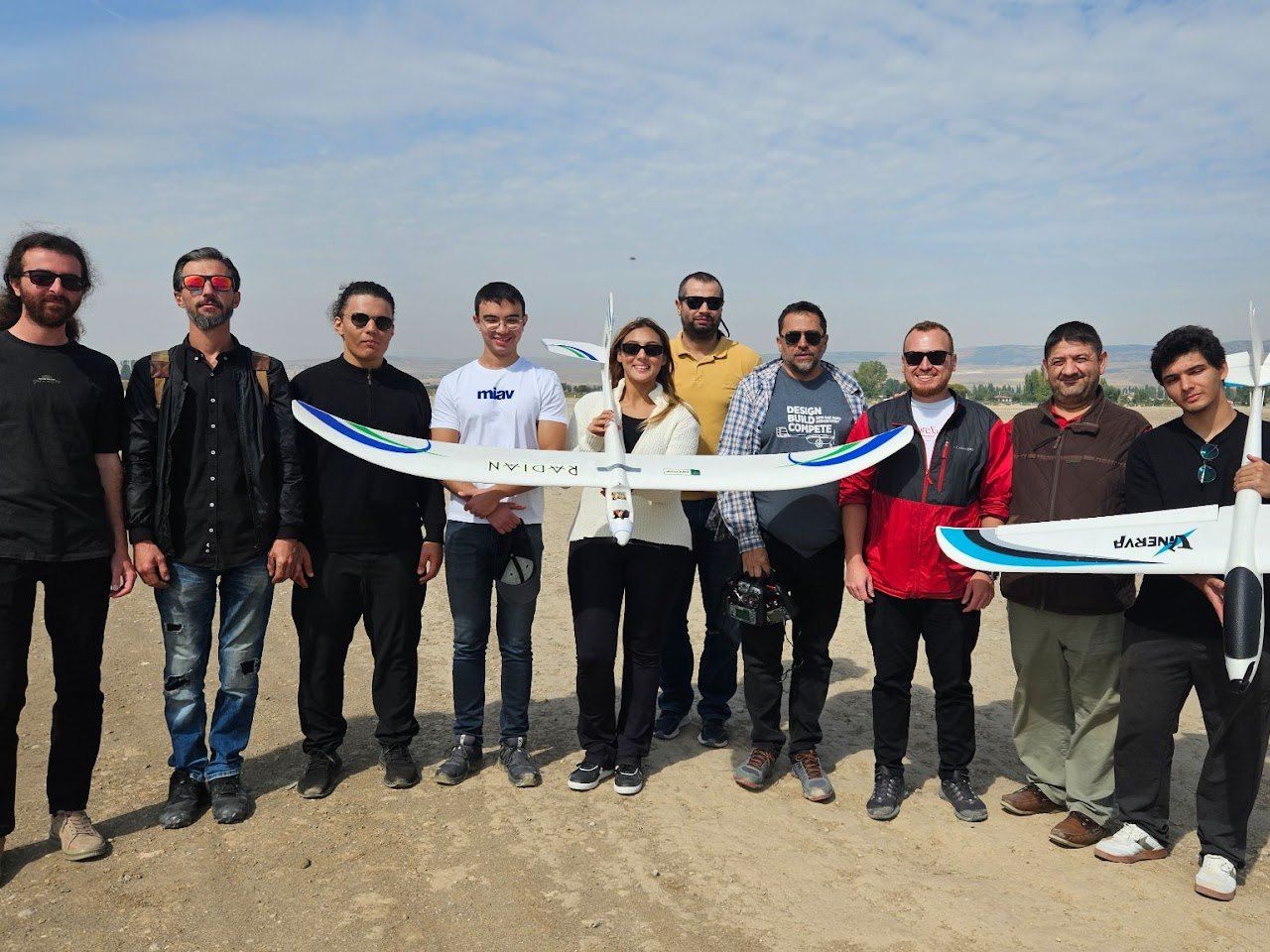
I joined Anatolia Aero Design as an undergraduate in 2013, was its chief designer until 2020, and now advise the team, along with ESTU’s UAV Student Club. About 90 of the team’s graduates work in aerospace and defense today. With two colleagues I also run ORCA, a set of hands-on drone courses open to anyone.
In the Flight Training Department I teach aviation safety and flight performance, and I am the Safety Management System (SMS) Manager of ESTU’s Approved Training Organization (ATO).
- citations
- 477
- h-index
- 9
- inventions registered in Türkiye
- 2
- team alumni in aerospace and defense
- ~90
Citations and h-index: Google Scholar, October 2026
Research mapEvery paper, patent and project since 2014
Research areas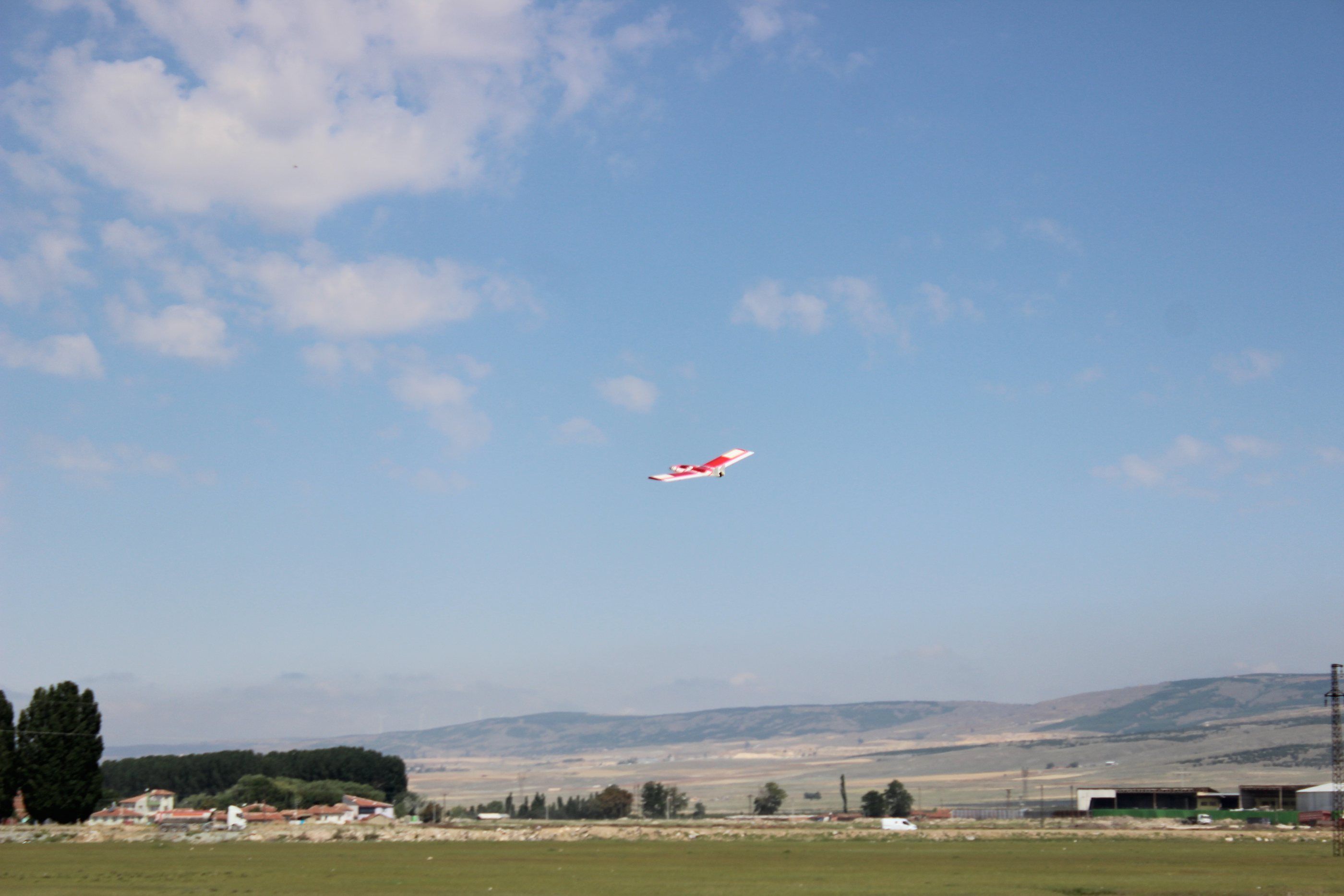
Patents
Two inventions, registered in Türkiye and filed internationally.
- 2024
WO2024144643A1
A wing that changes its shape in flight while adding almost no weight.
- 2022
WO2022216264A1
An aerostat-type unmanned aerial vehicle system for reducing air pollution
A tethered balloon that cleans the air where pollution is temporary, such as construction sites or fields where stubble is burned.
Recent publications
- 2024
doi:10.1108/AEAT-04-2024-00969 citations
Abstract
Purpose. The current research conducts a comprehensive review on FishBAC (fishbone active camber morphing wing surfaces) for researchers and scientists and sheds light on challenges and opportunities of FishBAC development.
Design/methodology/approach. This is a review article and this study reviews previous research on FishBAC.
Findings. The current FishBAC applications could be upgraded into more efficient designs in materials, design and mechanisms with more perspectives involved. Then, this promising branch of morphing surface design could be integrated with rotor blades, unmanned aerial vehicle wings, general aviation aircraft surfaces and so on.
Research limitations/implications. This is a review article.
Practical implications. The contributions of the study are summarized as follows: to provide an overview of FishBAC research; to compare various approaches and trends in FishBAC designs; to address the research gap in the roadmap for FishBAC design; and to discuss the challenges and opportunities of FishBAC development.
Originality/value. To the best of the authors’ knowledge, this is the first review on a promising morphing method and an alternative for conventional flaps and ailerons.
- 2024
- 2023
doi:10.3390/drones706037930 citations
Abstract
The implementation of morphing wing applications in aircraft design has sparked significant interest as it enables the dimensional properties of the aircraft to be modified during flight. By allowing manipulation of the 2D and 3D parameters on the aircraft’s wings, tail surfaces, or fuselage, a variety of possibilities have arisen. Two primary schools of thought have emerged in the field of morphing wing applications: the mechanisms school and the smart surfaces approach that uses shape-memory materials and smart actuators. Among the research in this field, the Fishbone Active Camber (FishBAC) approach has emerged as a promising avenue for controlling the deflection of the wing’s trailing edge. This study revisits previous research on morphing wings and the FishBAC concept, evaluates the current state of the field, and presents an original design process flow that includes the design of a unique and innovative UAV called the Stingray within the scope of the study. A novel morphing concept developed for the Stingray UAV, Rear Spar Articulated Wing Camber (RSAWC), employs a fishbone-like morphing wing rib design with rear spar articulation in a cost-effective manner. The design process and flight tests of the RSAWC are presented and directly compared with a conventional wing. Results are evaluated based on performance, weight, cost, and complexity. Semi-empirical data from the flight testing of the concept resulted in approximately a 19% flight endurance increment. The study also presents future directions of research on the RSAWC concept to guide the researchers.
- 2023
doi:10.1504/IJRIC.2023.1329447 citations
Abstract
Commercial aerial drone systems have gained significance in various industries, such as agriculture, infrastructure monitoring, cargo transport, security, and filming. This paper comprehensively reviews the trends and innovative research areas in commercial drone technology. The top five usage areas of drones are surveyed, and a master list of drone usage areas in the commercial sectors is provided. Furthermore, the current bottlenecks of the drone industry, such as endurance problems, noise issues, mid-air collision risks, navigation problems, insurance policies, and a lack of technical education opportunities, are evaluated. Finally, a list of innovative and trending research areas for drone technology is presented, which includes alternative energy sources, wireless charging methods, hybrid VTOL-drones, bio-inspired designs, and more. This paper serves as a valuable resource for entrepreneurs and researchers interested in drone-related technologies, and it has the potential to guide the future industry development.
Contact
I’m open to joint projects, national and international partnerships, and technical consulting.
emreozbek@eskisehir.edu.tr